Why do feature requests keep increasing as you build the app?
Once app development begins, feature requests naturally start to grow.
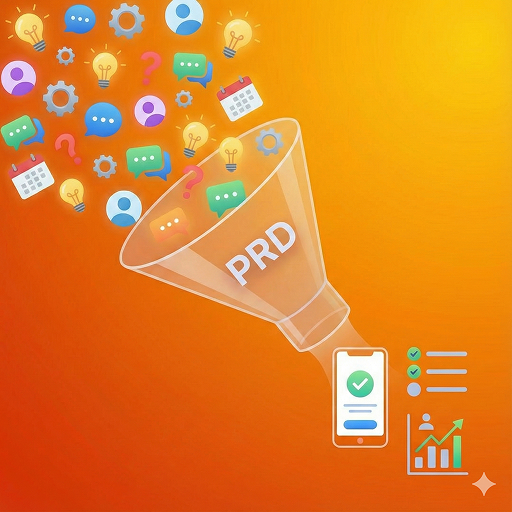
Ideas from inside the team, early user feedback, features seen in competing services, and even casual comments from acquaintances all become “features that might be nice to add.”
Most of these requests are not wrong. They would genuinely make the app more convenient and seem to improve completeness. The problem is that as these requests pile up, deciding what should be built first becomes increasingly difficult.
Perspective Shift: The confusion comes not from too many requests, but from the lack of decision criteria
Many teams describe this situation as “having too many ideas.” But the real issue is not the quantity of ideas—it’s the absence of clear criteria.
Without criteria, every request looks equally important. New opinions appear in every meeting, and decisions change based on mood or timing. A feature that felt essential one day may drop in priority just a few days later.
When this cycle repeats, development slows down, and the team ends up having the same discussions over and over again.
Decision Criteria: Why should this feature be built now?
The most important question when deciding on a feature is not “Is this a good feature?” but rather, “Why does this need to be built now?”
To answer that, several concrete criteria are required:
- Does this feature directly connect to the core purpose of the current product?
- Will users inevitably encounter this feature in the real usage flow?
- Without this feature, does the current version of the app fail to function as a product?
- Is this merely a convenience improvement, or does it reveal the product’s identity?
A feature that cannot clearly answer these questions is not a bad feature. It is more likely a feature that simply does not need to be built yet.
Comparison: How do feature decisions differ with and without a PRD?
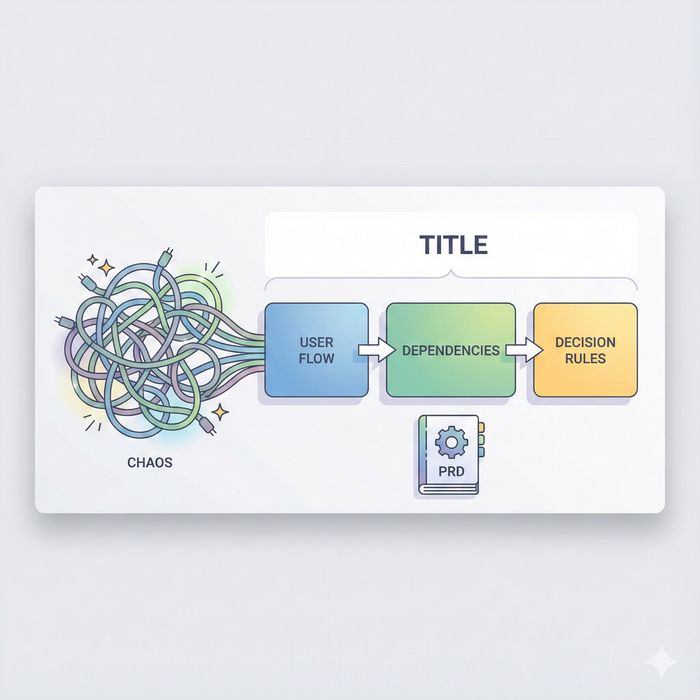
Without a PRD, feature discussions revolve around people. Decisions change based on who argues more strongly or which feedback was heard most recently.
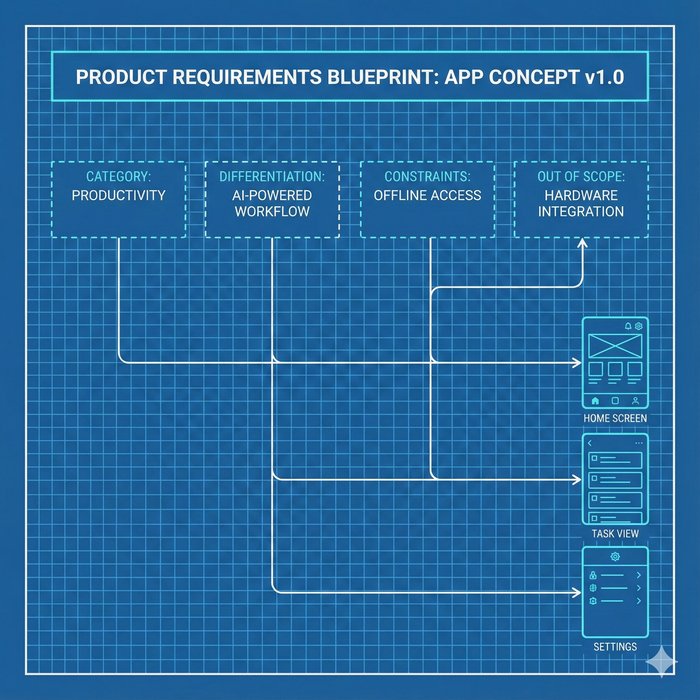
With a PRD, the center of discussion shifts to the document. Because the problem definition, user context, and product scope are already written down, a natural question emerges: “Is this feature within our current scope?”
This difference may seem small, but over time it creates a significant gap in consistency and density of the final product.
Conclusion: A PRD is not a document for collecting features—it is a document for fixing decisions
The role of a PRD is not to include as many ideas as possible. Its real value lies in clearly distinguishing features that should not be built right now.
With a PRD that clearly defines the problem and scope, feature requests are evaluated by criteria, not emotion or atmosphere. It also allows teams to document the decision of “not now.”
Without this record, the same feature requests will keep resurfacing in slightly different forms.
Summary
As you build an app, feature requests will continue to grow. The source of confusion is not the number of requests, but the lack of criteria for deciding what should be built now. A PRD is not a document for adding features—it is the standard that separates what is needed now from what can wait.
The clearer this standard is, the less the team wavers, and the faster the product reaches completion.