Why do new feature ideas keep appearing when building an MVP?
When building an MVP, new feature ideas appear endlessly. Thoughts like “Wouldn’t users want this?” or “This feature on this screen would make things so much easier” are completely natural. Coming up with features isn’t the problem—in fact, it’s part of making a better product.
The real issue is that if you add features without documenting why, no one will remember later why they were included. The features grow, but the reasoning and structure fade.
Why can adding a feature destabilize the entire structure?
An MVP should be small and simple—but adding a feature is never small or simple. Once you add Feature A, new screens appear. Add Feature B, and new exception conditions emerge. Add Feature C, and the data structure changes.
The feature itself isn’t the issue—the problem appears when the impact of the feature on the overall structure is never recorded.
- New screens appear but the flow change isn’t documented
- A condition changes but no one remembers why
- An exception is added but everyone forgets where it’s handled
These small omissions accumulate, and eventually the MVP loses its direction.
Why do we forget the original MVP once features aren’t documented?
The more features you add, the more the original goal fades.
You end up asking:
- Why did we create this app in the first place?
- What was the core again?
- Why did we need this feature?
If no one can answer these questions, the definition of the MVP disappears and the project becomes heavier and heavier. Adding features is natural—but if the reasons and flows aren’t documented, the product’s original identity dissolves.
Then what is the right way to add features in an MVP?
The answer is simple: adding features is fine and sometimes necessary. But once a feature is added, you must document in the PRD:
- What flow changed
- What new screens appeared
- What new conditions were introduced
The essential questions to answer are:
- What purpose does this feature serve? What problem does it solve?
- What new screens/conditions/exceptions did it create?
- Does it conflict with any existing flows?
- Does it align with the core goal of the MVP?
If you go through this process, you can add features without breaking the structure. The key isn’t adding fewer features—it’s ensuring each added feature is properly integrated into the structure.
Why does the PRD become the standard for managing added features?
A PRD is not a document that restricts features—it’s the document that manages them.
It records:
- Why the feature was added
- Which flow changed
- Which screens were created
- What data shifted
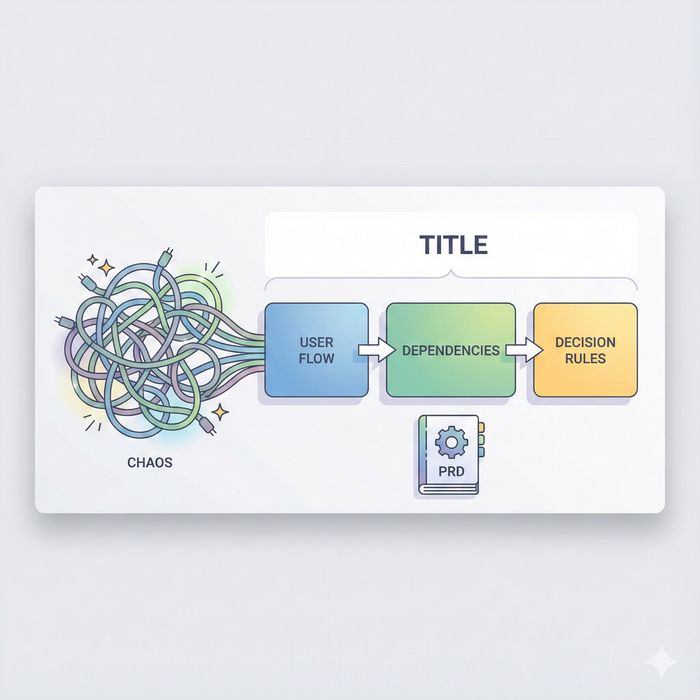
It becomes the central hub of change tracking. Because everything is recorded, you can revisit the project later and instantly understand: “Oh, this feature was added for this reason.”
In an era where features pile up endlessly, the PRD serves as the product’s technical memory.
Conclusion: You can add features—but if you lose the records, you lose the MVP
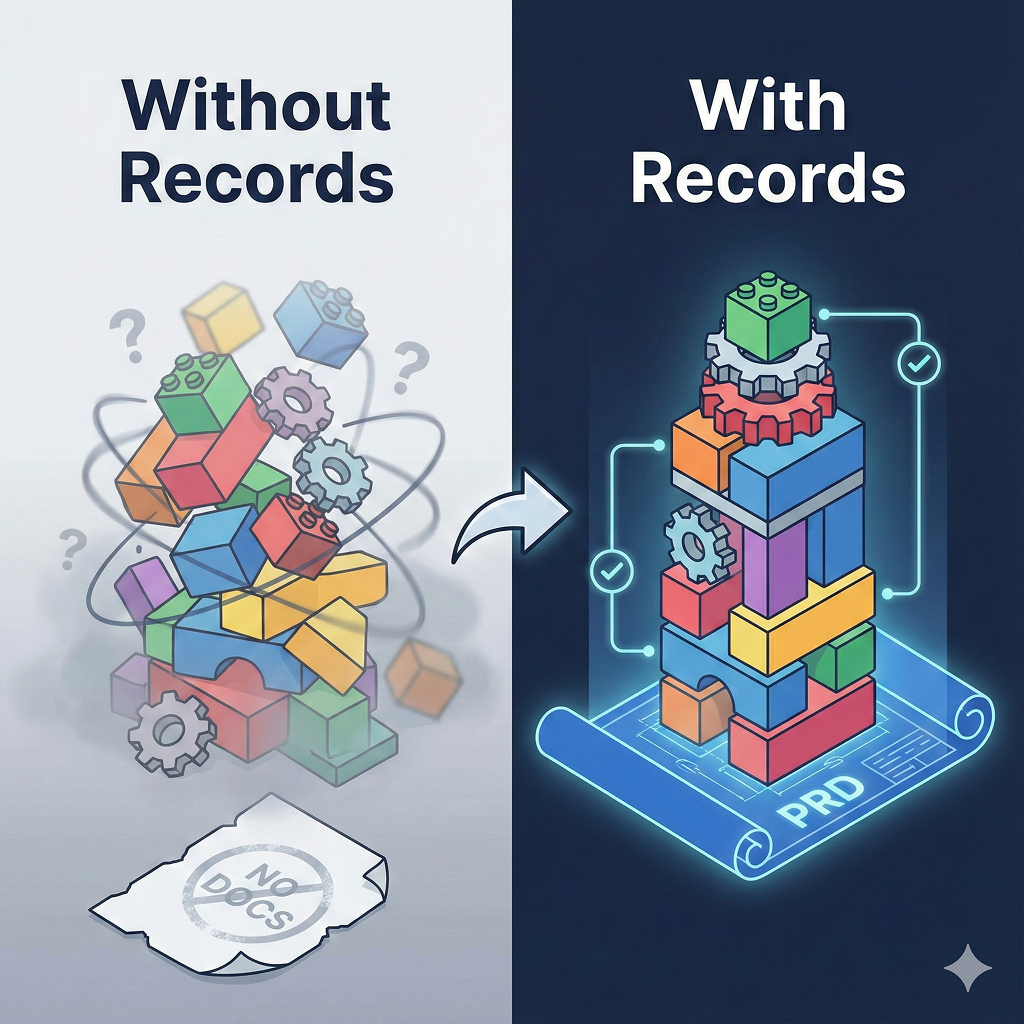
Features will continue to appear, and many of them will be necessary. But without documentation, features blur the structure, and a blurred structure makes you forget the MVP.
The features themselves aren’t the problem—losing the trace of why they were added is. Add features freely, but always record them in the PRD. That is the only correct way to complete an MVP without chaos.