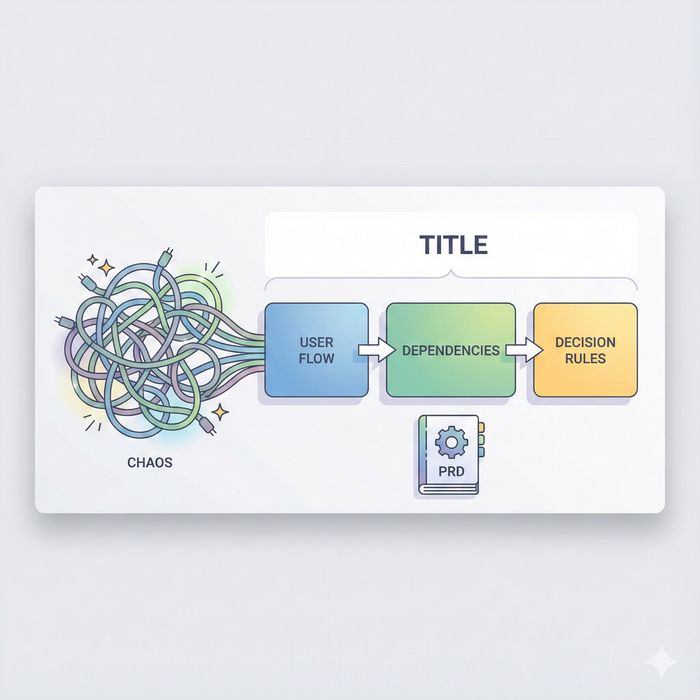
Agents recheck context because skills alone don’t decide when to act—stable output needs a reusable decision standard (goals, constraints, state).
Quick Checklist
Is the agent’s goal explicit?
Are constraints written as rules (not vibes)?
Is there a current state snapshot?
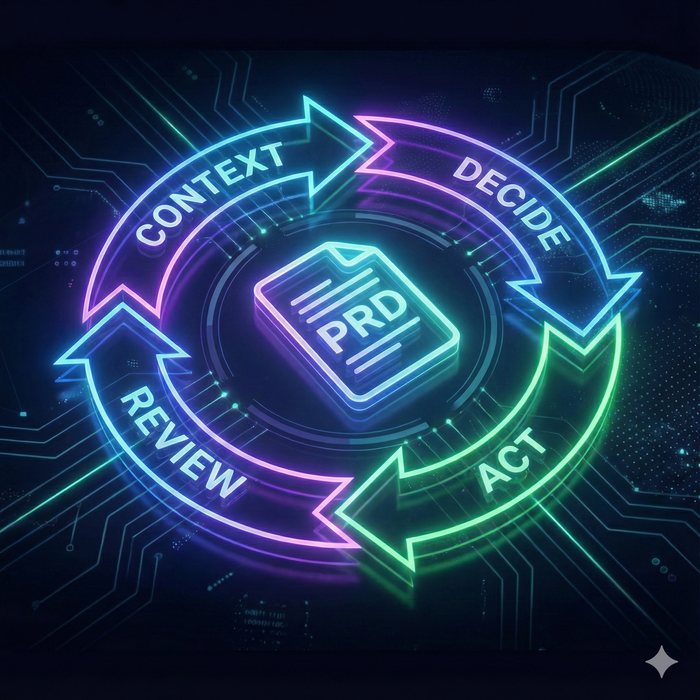
Is there a decision loop (check → act → evaluate → update)?
Definition: What does it mean to “recheck context”?
In modern agent designs, “context” isn’t one prompt. It’s the full decision frame: goal, constraints, previous decisions, and current state. Agents repeatedly return to it to ask: “Given what’s true now, is this still the right next move?” This pattern shows up in major agent paradigms that interleave reasoning with actions and incorporate reflection loops.
Decision Criteria: Why a single instruction isn’t enough
As agents gain skills (search, summarize, code, browse), instability increases if there’s no standard for:
-
which skill to use
-
when to stop
-
how to resolve conflicts
That’s why “structure” matters: ReAct interleaves reasoning and acting to reduce error cascades, and Reflexion adds self-reflection memory to improve across trials.