Users don’t stick because they can’t instantly categorize your app and describe why it’s meaningfully different—so it’s forgotten, not adopted.
Quick Checklist (decision standard)
Can a user explain your app in one sentence?
Is your category obvious in 3 seconds?
Is the difference vs. alternatives obvious without a feature list?
Do you know what you intentionally won’t build?
Problem Statement: The app is finished—so why aren’t users growing?
Many apps are “complete” in a technical sense. Login works, the UI looks clean, and features behave properly. Yet retention is flat. People download once, try it, and disappear. At this point, teams often do the predictable things: add features, run ads, rewrite onboarding. But the leak isn’t inside the product. It’s inside the user’s mind: they don’t have a clear reason to keep this app.
A Shift in Thinking: People choose apps by category + differentiation, not feature density
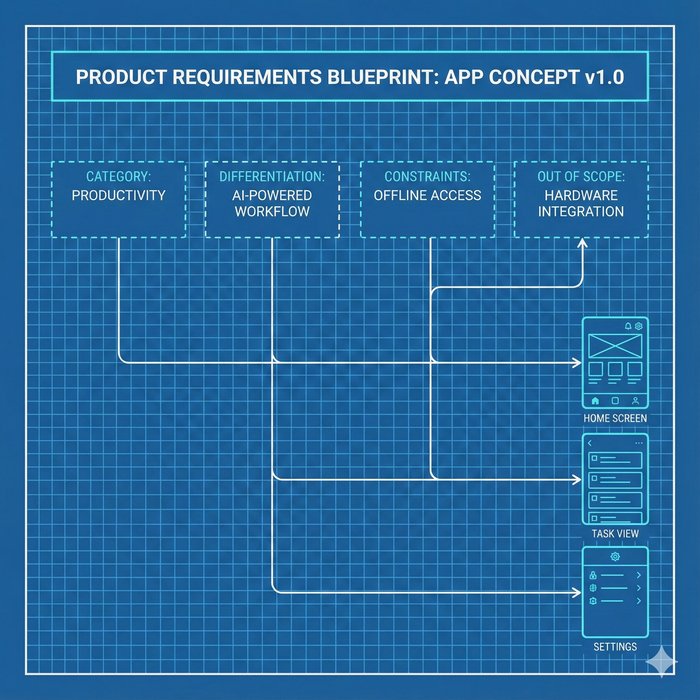
Users don’t compare feature tables. They perform an instant mental classification: “What kind of app is this?” and “Why should I switch?” That’s positioning: defining the category and the unique payoff. A strong positioning statement is concise about target, category, difference, and benefit. Differentiation doesn’t require inventing a new universe. It’s often a sharper approach inside an existing category—solving a known problem in a noticeably different way.
Selection Criteria: What people keep using (and share)
Apps that naturally spread tend to satisfy: Clear problem definition
Obvious core difference
One-sentence explainability
When those are true, sharing becomes effortless. Users don’t “recommend features.” They recommend a story: what it is, who it’s for, and why it’s better.
Conclusion: Differentiation is decided at the PRD stage
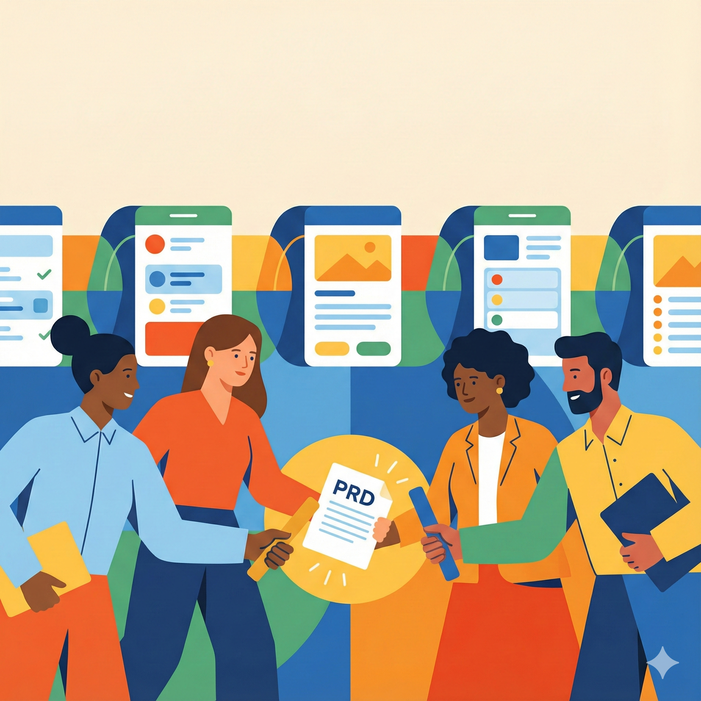
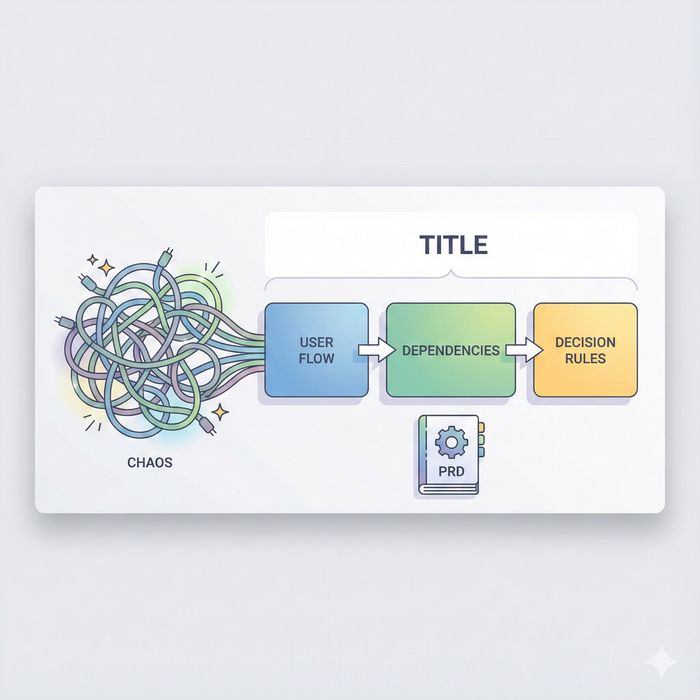
Teams assume differentiation can be “added later.” But implementation mostly executes direction—it rarely creates it. A PRD that actually protects product identity must say: Which category we belong to Which pain we solve better than others Which features we won’t build (to stay sharp)